Why the Future of Trade Finance Lies in Intelligent Exception Management, Not Simply Faster Document Processing.
Every hour spent manually checking trade documents is an hour your team could spend making higher-value business decisions.
For banks and financial institutions, operational efficiency is essential to managing growing transaction volumes, controlling costs and maintaining consistent service standards. Yet trade finance teams continue to spend considerable time reviewing documents, cross-checking transaction details, identifying discrepancies and verifying compliance requirements.
These activities are necessary, but repetitive manual checks can limit the time available for more complex work.
The challenge for banking leaders is no longer just about processing trade documents faster. It is about allowing technology to handle repetitive verification tasks while professionals focus on exceptions that require their expertise.
The Operational Cost of Manual Document Checking
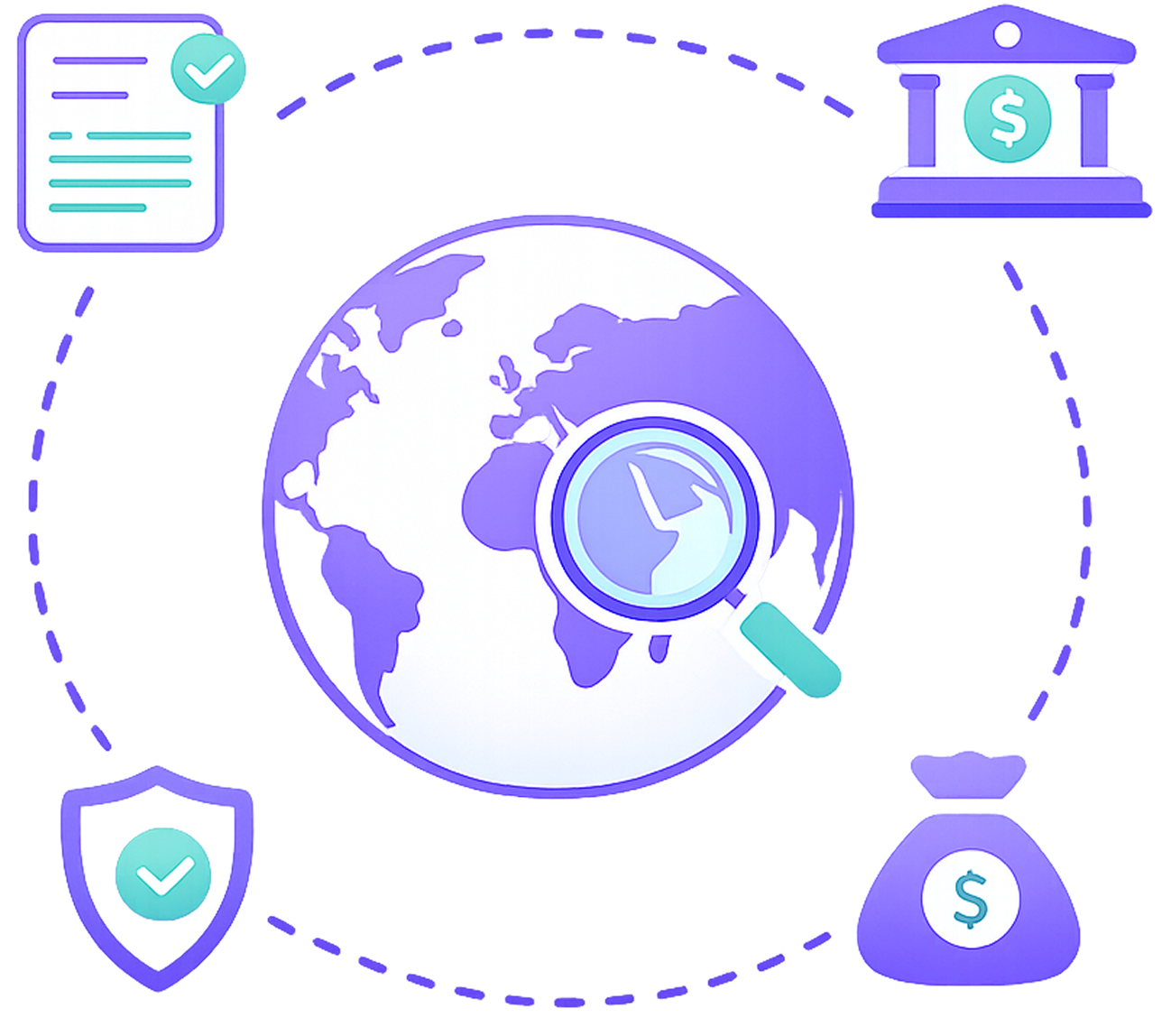
A single trade finance transaction may involve several documents, including commercial invoices, bills of lading, letters of credit, insurance certificates and packing lists.
Trade finance professionals must examine these documents, compare relevant information and check whether the details comply with applicable transaction requirements.
When much of this work relies on manual processes, banks may face three operational challenges.
1. Longer Processing Times
Repeated document reviews and cross-checks can slow down trade finance operations. Discrepancies may require further investigation, communication and document corrections before a transaction can proceed.
2. Increasing Pressure on Operations Teams
As transaction volumes grow, manual checking can become a bottleneck. Teams may struggle to manage additional workloads without increasing staffing levels or extending processing capacity.
3. Limited Use of Specialist Expertise
Experienced trade finance professionals bring valuable knowledge of trade rules, documentation and compliance requirements. However, when much of their working day goes towards routine verification, less time remains for complex exceptions, risk assessment and process improvement.
Improving operational efficiency means addressing these challenges without compromising accuracy, compliance or appropriate human oversight.
How AI Improves Operational Efficiency in Trade Finance
AI-powered document automation can help banks reduce the amount of repetitive work involved in trade document checking.
Instead of requiring professionals to manually examine every relevant data field, intelligent document processing can extract information from documents, compare details across multiple records and flag potential discrepancies for review.
This supports a more focused approach to trade finance operations.
From Checking Every Document to Managing Exceptions
Traditional workflows often require extensive manual involvement throughout the checking process. With intelligent document verification, technology can assist with routine validation and direct attention towards identified exceptions.
For example, if the invoice amount differs from the amount stated in another relevant document, the system can flag the inconsistency for further review.
The operations team can then investigate the discrepancy instead of spending the same amount of time manually comparing every field across every document.
This approach helps teams prioritise their workload and use their expertise where it matters most.
Supporting Consistent Document Verification
Manual processes can vary depending on workload, experience and the complexity of a transaction. AI-powered verification can help apply consistent checking procedures across large volumes of trade documents.
Human review remains important, particularly when a discrepancy requires interpretation or a decision based on the specific transaction.
The objective is not to remove professional judgement. It is to support it with better tools and more focused workflows.
Managing Growing Transaction Volumes
Automation can also help banks manage
increasing document volumes without relying entirely on additional manual effort.
By reducing repetitive checking and helping teams identify exceptions, intelligent document processing can support more scalable trade finance operations.
The actual improvement depends on factors such as document quality, transaction complexity, existing workflows and the level of automation implemented.
Measuring Operational Efficiency: What Should Banks Track?
Implementing technology is only one part of improving operational efficiency. Banks also need to measure whether process changes are delivering meaningful results.
The following metrics can help operations leaders evaluate performance.
- Average document-checking time: Measures how long it takes to complete document verification.
- End-to-end transaction turnaround time: Tracks the time required to move a transaction through the relevant operational stages.
- Manual intervention rate: Measures how frequently staff need to intervene in the checking process.
- Exception resolution time: Tracks how long it takes to investigate and resolve identified discrepancies.
- Processing capacity per employee: Helps assess how transaction volumes relate to available team capacity.
- Rework rate: Measures how often documents or completed checks need to be reviewed again because of errors or incomplete information.
Establishing a baseline before implementation makes it easier to compare results over time. Banks should also assess accuracy, compliance outcomes and service quality to ensure that improvements in speed do not come at the expense of control.
How Traydstream Supports Operational Efficiency
Traydstream helps banks modernise trade finance operations through AI-powered trade document processing and validation.
Its TraydCheck solution supports document data extraction, cross-document verification and discrepancy identification. These capabilities help trade finance teams streamline repetitive checking activities and focus their attention on issues requiring further investigation.
By integrating intelligent document checking into trade finance workflows, banks can work towards more consistent verification processes and better use of operational resources.
For COOs, Heads of Trade Finance and Operations Directors, the value lies in connecting automation to measurable business outcomes. These may include reduced manual effort, improved processing capacity and more time for exception management.
The results will depend on the bank's existing processes, implementation and transaction mix, making performance measurement an important part of any transformation initiative.
Beyond Automation: Building More Efficient Trade Finance Operations
The future of trade finance will depend on how effectively banks combine technology with human expertise.
AI-powered document checking can reduce repetitive work, improve the identification of discrepancies and help operations teams manage their workloads more effectively. Lasting improvements require more than introducing automation. They also involve reviewing workflows, measuring performance and ensuring that staff can focus on activities that require their judgement.
The goal is not simply to process more documents in less time. It is to make better use of the people, technology and resources already available.
Discover how Traydstream can support your trade finance operations.