England are through to the World Cup semi-finals
After beating Norway in the quarter-final, the Three Lions now face Argentina for a place in the final. At this stage of the tournament, the smallest detail can decide the outcome: a marginal offside, a late challenge or an incident the referee could not see clearly in real time.
That is where VAR comes in.
VAR does not replace the referee. It gives the referee a better view of what happened. Different camera angles, tracking data and connected-ball technology help officials examine an incident more closely. The information is gathered quickly, the key moment is highlighted and the referee is given the evidence needed to make a decision.
The final call still belongs to the referee. There is a clear parallel with trade finance.
Trade decisions depend on seeing the whole picture
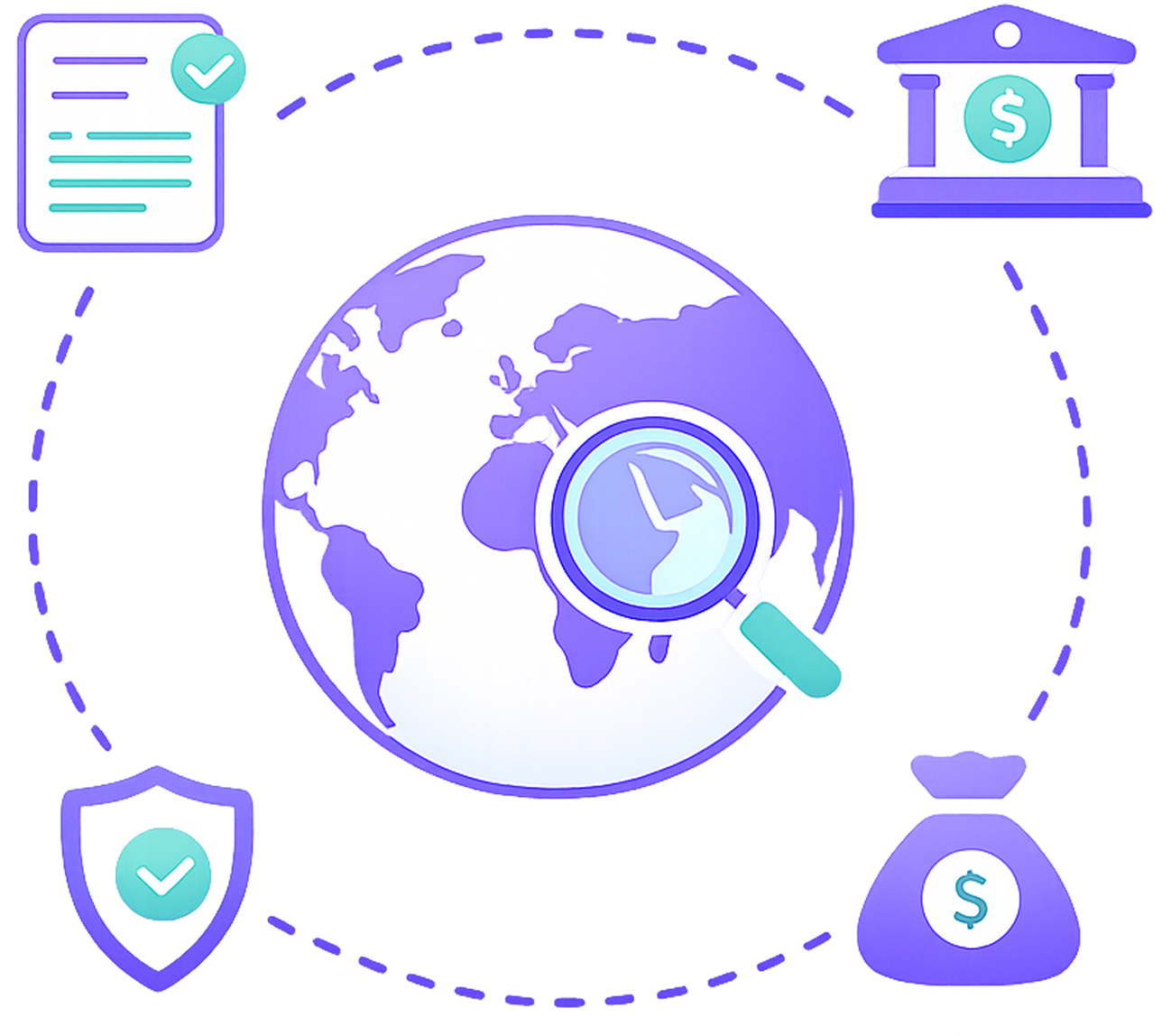
A trade transaction may involve a letter of credit, commercial invoice, bill of lading, packing list, certificate of origin, insurance document and inspection certificate. Each document contains information that needs to be checked. Names, dates, values, quantities, currencies, goods descriptions, ports, vessels and routes all need to be consistent.
The transaction also needs to meet the terms of the letter of credit, international trade rules, compliance requirements and the bank’s own internal policies. None of this is straightforward.
A document may look acceptable when reviewed on its own, but raise questions when compared with the rest of the transaction. A difference in quantity may be minor, or it may point to a more serious issue. A vessel route may appear legitimate until it is checked against wider vessel or port information.
The challenge for banks is not simply reading the documents. It is bringing all of the information together quickly enough to make a sound decision. That is where Traydstream can help.
Turning documents into usable information
Traydstream takes trade documents and turns them into structured transaction data. The platform identifies the document type, extracts the relevant information and compares that data across the wider transaction. It then checks the information against the transaction terms, trade rules, compliance requirements and the bank’s own controls.
This can include:
- Cross-document consistency checks
- Letter-of-credit and transaction-condition checks
- Trade-rule validation
- Institution-specific rules and checklists
- Sanctions and compliance checks
- Vessel, routing and counterparty reviews
- Pricing and quantity analysis
- Duplicate-document and duplicate-financing indicators
The important point is that Traydstream does more than digitise a document. It helps the bank understand what the document means in the context of the transaction. In the same way that VAR brings several camera angles together to clarify one incident, Traydstream brings data from multiple documents and sources together to give the reviewer a clearer view.
Helping teams focus on the issues that matter
Traditional trade processing relies heavily on manual review. Experienced teams spend time reading documents, locating key information, comparing fields and checking whether the transaction meets the required rules and conditions. That expertise is essential, but much of the work around it is repetitive.
When volumes increase, banks often have to choose between adding more people, accepting longer turnaround times or placing more pressure on existing teams. None of those options is particularly sustainable.
Traydstream supports a more exception-based way of working. The platform carries out the initial extraction, comparison and checking, then brings potential discrepancies and risks to the attention of the reviewer. This allows experienced employees to spend less time searching through documents and more time looking at the issues that genuinely require judgement. For banks, that can have a direct business impact.
More capacity without matching headcount growth
Trade businesses need to grow without costs increasing at the same rate. Automating document classification, data extraction and routine checks can help banks handle larger transaction volumes without having to expand operational teams in direct proportion. That does not mean removing people from the process. It means using experienced people where they add the most value.
Faster decisions and better client service
Manual document review takes time. When employees need to move between documents, systems and external data sources, even a relatively straightforward transaction can be delayed. By bringing the relevant information into one review environment, Traydstream can help reduce the time spent on routine checks and document comparison. That can lead to faster turnaround times, quicker release of goods or financing and a better experience for the bank’s clients.
More consistent controls
Manual reviews can differ between teams, locations and individual reviewers. A configurable platform helps banks apply approved checks more consistently across transactions and processing centres. The bank still decides which controls to use and how exceptions should be handled. Traydstream helps ensure those controls are applied in a repeatable way.
Stronger risk and fraud detection
Trade fraud is rarely obvious. The warning signs may sit across several documents or transactions. They may involve a slightly altered document, an unusual price, conflicting shipment information or the same underlying trade being presented more than once. Looking at each document separately makes these patterns harder to identify.
By structuring and comparing transaction data, Traydstream can help banks spot relationships and inconsistencies that may otherwise be missed. This can support the identification of duplicate documents, possible duplicate financing, unusual trade patterns and wider compliance concerns.
A clearer audit trail
Banks also need to show how decisions were reached. A digital review creates a record of the checks performed, the exceptions identified and the evidence considered by the reviewer. That can support internal audit, regulatory review and management oversight. It also gives banks better information on where delays, discrepancies and recurring risks are appearing across the business.
Technology should support judgement, not hide it
One of the problems with some alerting systems is that they flag an issue without clearly explaining why. That can create more work for the user. A reviewer needs to see what has been identified, which information triggered the finding and where the supporting evidence sits within the transaction.
Traydstream is designed to make that evidence visible. The reviewer can examine the relevant data, understand the rule or control that has been triggered and decide what action to take. That matters because technology is only useful when the people using it trust the output. The same applies in football. A referee needs to see the incident, not simply be told that something may have happened.
The bank remains in control
Every bank has its own customers, products, markets and risk appetite. A global bank processing trade across several regions may need different controls from a smaller domestic institution. Requirements may also vary by customer, product, country, commodity or transaction type.
Traydstream can be configured around those differences. Banks can apply their own rules, thresholds, checklists and escalation paths alongside established trade rules and compliance requirements. This gives institutions greater consistency without forcing them into a standardised approach that does not reflect their business.
Making the right call at the right time
As England prepare for their semi-final, the referee will remain responsible for the decisions on the pitch. But those decisions will be supported by technology that helps ensure important details are not overlooked.
Banks face a similar challenge. They need to process complex trade transactions quickly, control costs, protect against fraud and maintain strong compliance standards. Relying on manual review alone makes that increasingly difficult.
Traydstream gives trade professionals a clearer view of the transaction. It brings together the documents, data, rules and risk indicators that matter, then directs attention to the areas that need closer review.
The technology supports the process. The trade professional makes the decision. And when the stakes are high, having the right information in front of the right person can make all the difference.